A new fence is easy to treat as a product choice: pick a panel, choose a height and decide how many metres are needed. That skips the decisions that make the boundary pleasant to live with. Privacy may matter at one end, daylight at the other, and the gate may do more to shape daily use than the rest of the run.
When planning fencing, Dumfries homeowners can get a clearer result by deciding what each part of the boundary needs to do before choosing a finish. Miller Landscaping provides boundary fencing for privacy, security and a tidy appearance, with timber, concrete post-and-panel and UPVC options.
Give each part of the boundary one main job
Walk the full line and divide it into short sections. One may screen a seating area, another may separate a drive from a garden, while a third only needs to create a neat edge. Treating the whole boundary as one repeated panel can add unnecessary height where light matters or leave a busy part of the garden too exposed.
Write the main purpose beside each section: privacy, security, wind filtering, a tidy edge, keeping a pet within the garden or guiding people towards the entrance. Where two purposes compete, mark that too. A screen beside a patio may need privacy without making the seating area feel enclosed; a front boundary may need definition while retaining a clear view of the entrance.
Check privacy from the places where it is needed
Privacy is about sightlines rather than fence height alone. Sit in the chairs you normally use, stand at the kitchen window and look from the neighbouring side where access allows. A line that feels exposed when viewed standing up may already be screened when people are seated. The opposite can also happen on sloping ground.
A temporary marker helps. Use canes and string, or ask somebody to hold a length of timber at the proposed height, then view it from indoors and outside. Repeat the check at different points along the boundary. This simple exercise shows where a full screen is useful and where a lower or more open section would preserve more light.
Plan the gate around the awkward journeys
The ordinary walk through a gate is rarely the demanding one. Think about the widest and least convenient things that must pass through it: bins, a mower, bicycles, garden furniture or materials for future work. Measure those items and allow space for hands and turning, not just the object itself.
Mark the gate swing on the ground. Check whether it meets a step, planting, a parked vehicle or the route to the house. On a slope, the ground can prevent a gate opening fully even when the posts and width are correct. Decide which side the latch should be reached from and whether the open gate would block the path. These choices are small on a drawing and noticeable every day.
Choose the construction after the use is clear
Timber, concrete post-and-panel and UPVC can all answer different priorities. The useful comparison includes appearance, the amount of upkeep the household is willing to do, how individual sections could be accessed later and how the finish sits beside the property. Colour alone is a poor way to decide.
Separate the visible infill from the supporting parts when discussing options. A preferred panel style does not by itself settle the posts, base detail, changes in level or how the run turns a corner. Ask for those elements to be described together so the finished boundary reads as one planned structure.
Connect the fence to the rest of the garden
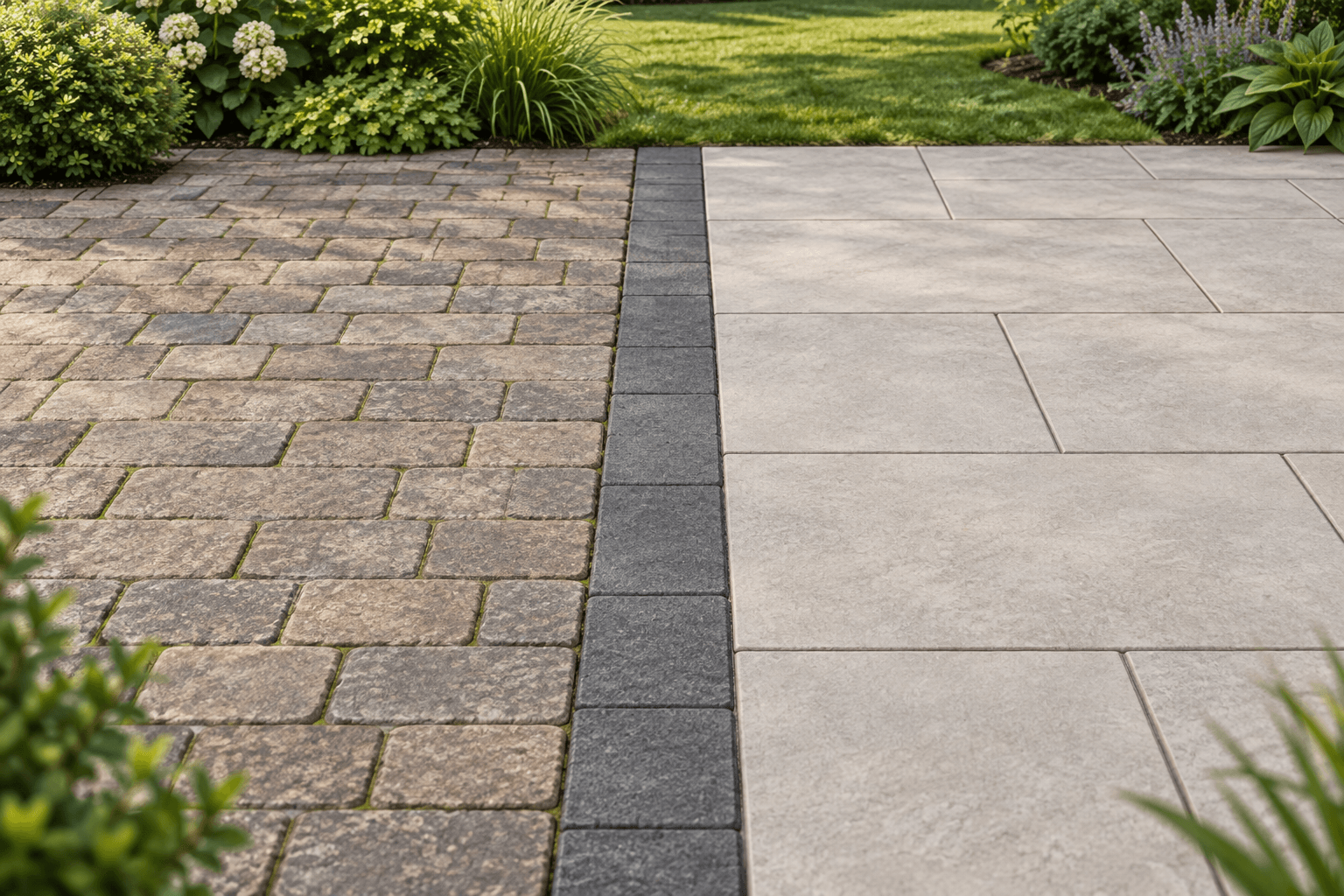
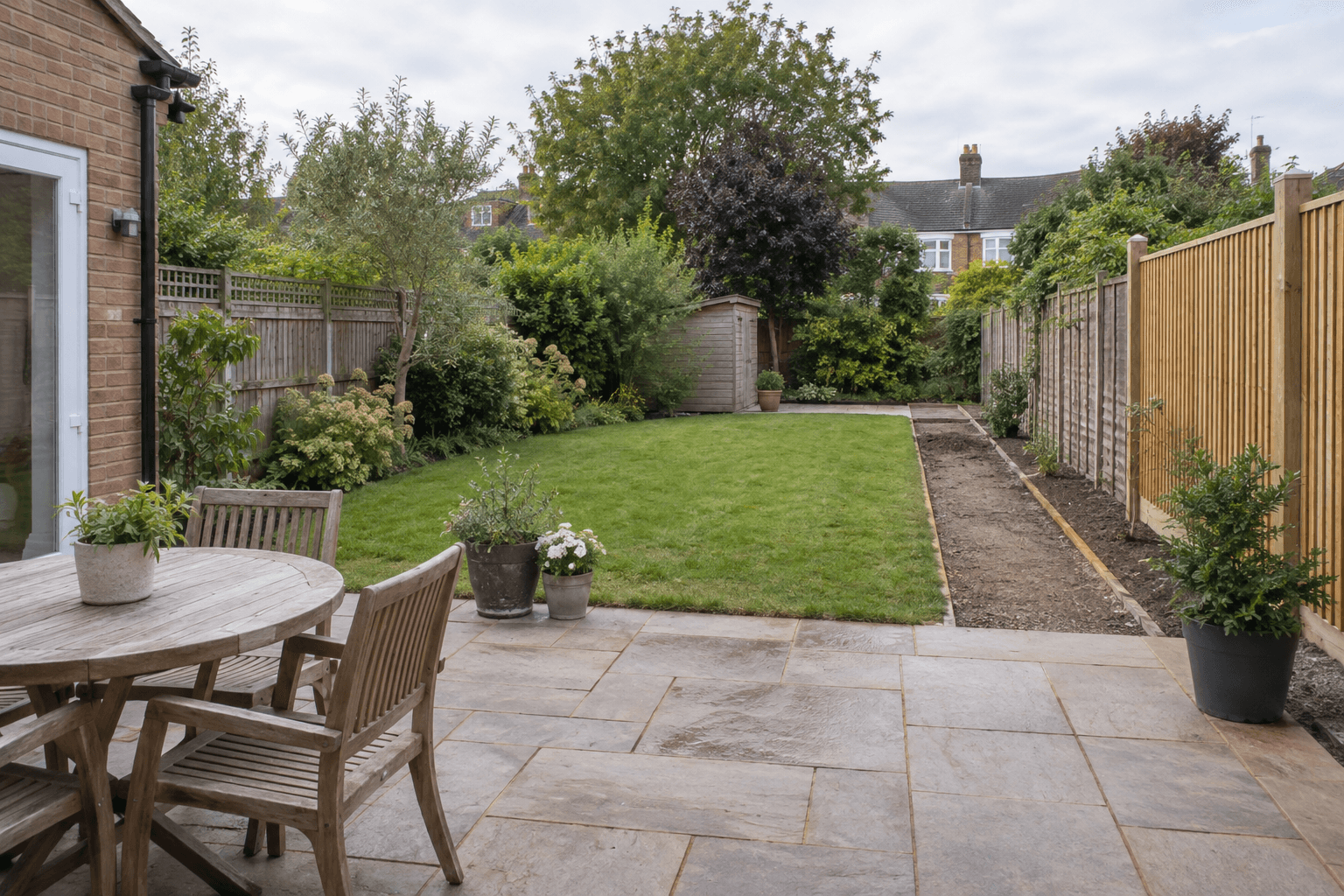
A boundary often meets paving, lawns, planting and practical outdoor areas. Those junctions deserve attention before work starts. A narrow strip that cannot be maintained, a path that finishes against a post or planting trapped behind a solid panel can make an otherwise tidy fence inconvenient.
Miller Landscaping also provides paving in a choice of colours, combinations and layouts, and landscaping that brings lawns, hard landscaping and useful outdoor areas together. If more than the boundary is changing, show the intended path, seating or planting layout at the same time. The fence line and gate can then support how the garden will be used.
Make a short boundary brief
Photographs and a simple sketch are enough for a first conversation. Keep the brief factual and label anything that still needs checking.
- Mark the start, finish, corners and approximate length of the boundary.
- State the main job of each section, such as privacy, security or a tidy edge.
- Show the views that need screening and the places where daylight matters.
- List the widest items that must pass through each gate.
- Photograph changes in level, existing posts, nearby planting and path junctions.
- Note the materials and upkeep levels the household would consider.
This gives a contractor something more useful than a request for a particular number of panels. It explains the result the boundary needs to achieve.
Frequently asked questions
Should every section of a garden fence be the same height?
Not automatically. The useful height depends on the sightline, the purpose of that section and the effect on light. Mark proposed heights temporarily and check them from the places where privacy or openness matters before settling the full run.
How do I work out a sensible gate width?
Measure the widest item that regularly needs to pass through, then allow room for hands, turning and an imperfect approach. Also mark the swing so you can see whether the gate would meet a slope, step, path or parked vehicle.
Can planting be kept beside a replacement fence?
Often it can remain part of the plan, but access and the space needed for posts must be checked on site. Photograph valuable plants, explain what should be retained and avoid assuming that the current fence line can be reached without disturbance.
Start with the purpose, sightlines and gate journeys, then compare the available construction options. See Miller Landscaping's fencing service for the supported boundary choices, and use the contact page to share the sketch, photographs and priorities for the garden.